



Achieving Sustainable High Performance When Under Pressure



The final post in our series on stress.
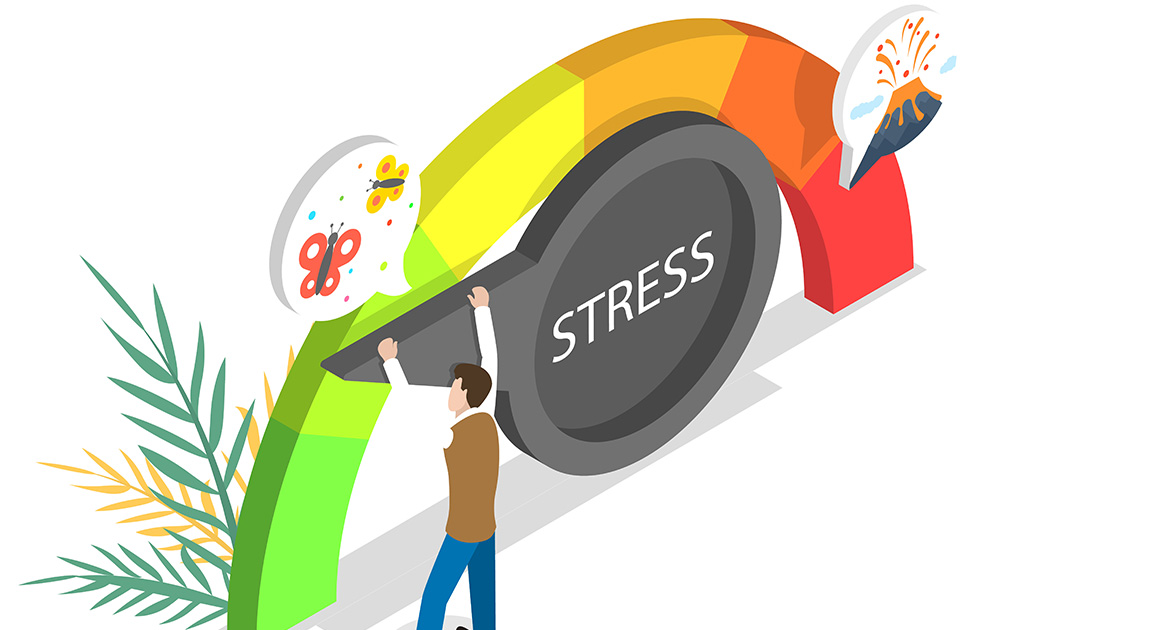
It has been a demanding week, and as the immediate crisis subsides, another challenge is already emerging. As leaders, do we recognize the strain building up in our team and in ourselves? Or does this strain quietly become an everyday expectation?
Throughout this series, we have explored our capacity to manage stress. That capacity varies from person to person and shifts with our circumstances. While our purpose is to care for the patient/client/customer, the guiding principle of caring requires us to pay equal, if not greater, attention to the individual.
Be the Chief Energy Officer
As John Gordon shares in his book The Energy Bus, one of a leader’s most important responsibilities is to serve as the “Chief Energy Officer.” What energizes team members? What drains their energy? As the leader, what can you do?
We developed the Four Stages of Fulfillment concept to offer a framework for understanding the motivations driving what we do. Are team members physically prepared for the demands? Do they have the competency and support to succeed? Are they connected to a servant purpose and a meaningful vision?
If we are not physically and mentally prepared to be our best, stress and strain will adversely affect us.
Make Recovery Possible
Athletes plan for recovery as part of training. Leaders need to do the same.
In The Power of Full Engagement, Jim Loehr and Tony Schwartz offer an approach to help us perform at our peak more consistently. That may mean adjusting priorities after a demanding stretch or recognizing the long-term benefits of taking time away. However, encouraging recovery will mean little if people return to added stress from the backlog or feel guilty for stepping away. How can people disengage for long-term success rather than focus on short-term gains that may lead to burnout?
Be the role model; do your habits communicate what is expected of everyone else, so they will become long-term peak performers?
Learn Before Moving On
The U.S. Army has significantly improved its operations through After Action Reviews (AARs). Following their example, once the pressure subsides, ask the team:
- What did it look like from your perspective?
- What went well that we should continue?
- What could go better, and what would that look like?
Respect all perspectives, then act on what you hear. Recurring problems warrant changes to the systems that create them.
Following Easy Company’s journey through WWII left me with deep respect for human endurance, commitment, and perseverance, and a much greater awareness of our individual limits.
As leaders, we have an opportunity to help people grow through their challenges while paying attention to their capacity to meet them. Sustainable performance requires seeing individuals and their capacity to handle stress and strain. When does the challenge cross the threshold for continued growth and learning?
Reflection
What could you do this week to help your team grow with the right level of stress, while acknowledging that when stress has been too high, they will need time to recover?