



Handling Pressure: Our Preparation and Environment Matter More Than We Think
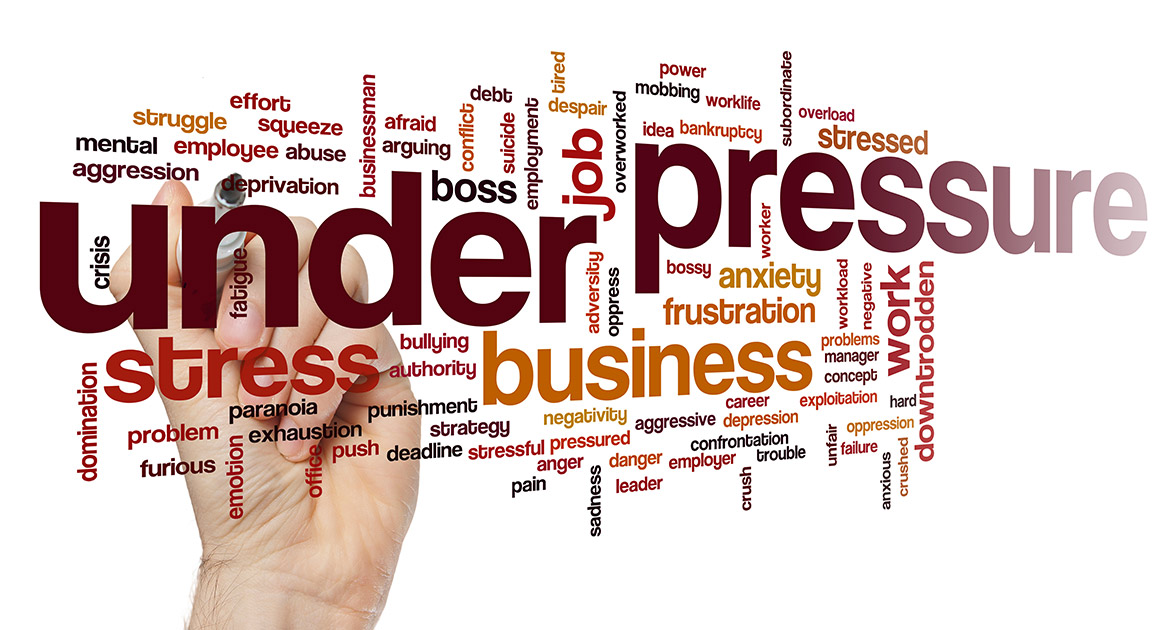



Why do some people seem to thrive under pressure while others struggle, even when they are equally talented and experienced?
In Performing Under Pressure: The Science of Doing Your Best When It Matters Most, authors Hendrie Weisinger and J. P. Pawliw-Fry challenge the widely held belief that we perform better under pressure. Their research suggests that pressure often diminishes our ability to perform at our best and may even lead to failure.
This raises an important question for leaders: How can we help ourselves and those around us perform at our best when it matters most?
Pressure Is Not the Same as Stress
We often use these words interchangeably, but they are not the same. Stress arises when we feel the demands on us exceed our ability to respond. Pressure arises when we believe the outcome is especially important. Consider a cardiac surgical team caring for a critically ill patient; the stakes could not be higher, and pressure is unavoidable. But how much additional stress do poor communication, unclear expectations, or a lack of trust among team members create? Pressure may be unavoidable, but unnecessary stress is not.
Great leaders recognize the difference between pressure and stress and work to eliminate the organizational conditions that create stress and worsen difficult situations.
Pressure Can Inhibit Our Best Performance
We often hear that great performers rise to the occasion. Yet even the most talented people can find their judgment, creativity, and decision-making compromised when pressure becomes overwhelming. Over my years working with athletic teams and organizational leaders, I’ve learned that talent alone doesn’t produce sustainable greatness—our environment matters.
When people fear making mistakes, asking questions, or challenging one another, pressure becomes even more debilitating. When they trust and care deeply for one another, they are better positioned to respond thoughtfully rather than react emotionally.
Are we creating an environment where people can be their best, or one where they fear being less than perfect?
Preparing for Pressure Lays Groundwork for Success
We cannot wait until the critical moment to build the capabilities we need. Preparation builds confidence. Experience builds resilience. A shared purpose gives our efforts meaning. And perhaps most importantly, trusted relationships let us depend on one another when the stakes are highest.
This is where our shift from me to team becomes crucial. Rather than focusing on our performance, we can learn to ask: How can we help each other be our best? The Four Stages of Fulfillment remind us that our greatest satisfaction comes not from personal achievement alone but from using our gifts to help others succeed.
When we know why our work matters, understand what we are striving to become, and share guiding principles as a team, we lay the foundation for performing well under pressure.
Performing Under Bo’s Pressure
My coach and career mentor, University of Michigan Football Coach Bo Schembechler, was a master at preparing you to play under pressure. Whether the team you would be facing had a winning record or not had nothing to do with the intensity with which you practiced. Bo lived the “practice like you will play” philosophy. If a play wasn’t run perfectly in practice, we ran it again and again and again until it was. Often, we got to the dorm for training table late because practice ran over from repeating plays.
It wasn’t just the execution of the play. It was the pressure you could feel from Bo’s presence, more intimidating than the eyes of 100,000 fans in Michigan Stadium. He had a fine touch for putting pressure on you, and you knew it was making you and the team better. This separated many exceptional athletes who could not and did not play on Saturday.
This preparation showed itself vividly in my last game as a senior at Michigan Stadium against Ohio State. We were down 3–7 with a little more than two minutes left. As we got the ball to start our final drive, the attitude in the huddle was, “We are in complete control of this game. We are going to score to win this game.” No one had to say anything. We all felt it, and sure enough, we beat Ohio State 10–7.
Our Leadership Responsibility
Pressure is part of life. We cannot eliminate it, nor should we want to. But we can prepare ourselves and our teams to respond more effectively. We can also create environments where trust replaces fear, preparation builds confidence, and a shared purpose keeps us focused on what matters most.
Perhaps the most important question is:
What am I doing today to help my team perform at our best tomorrow?